



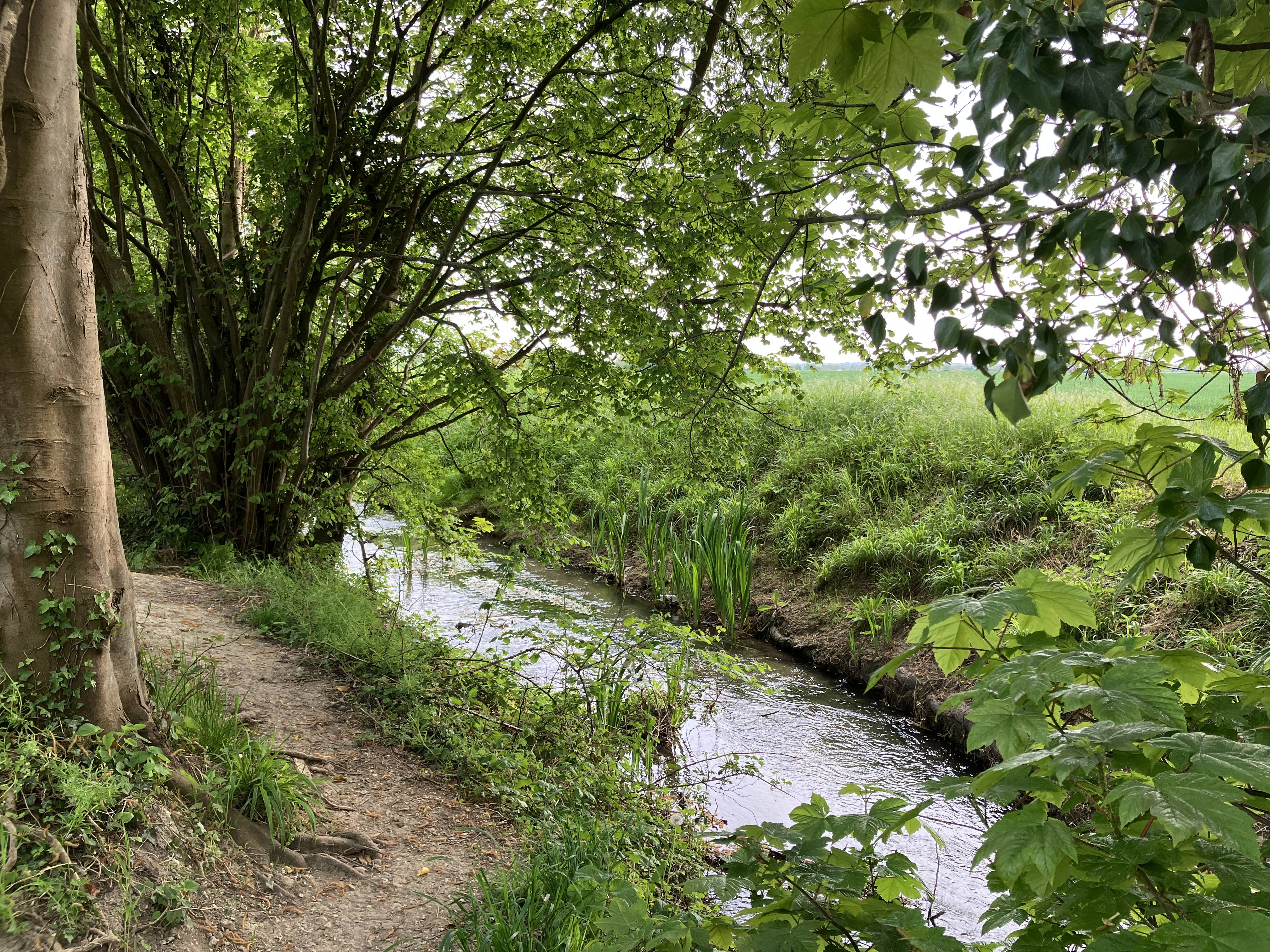
The Cam Valley is home to one of the world’s rarest natural treasures: chalk streams.
There is something extraordinary about the rivers of the Cam Valley.
Clear, cool water rises quietly from the chalk beneath our feet, flowing through meadows, villages and ancient landscapes on its journey towards the River Cam. In places, you can see the riverbed beneath the water, beds of water crowfoot moving gently in the current, and trout sheltering among the gravel.
These are chalk streams, one of the world’s rarest freshwater habitats, and the Cam Valley is home to a remarkable network of them.
From the River Rhee and the Shep to the Mel, Granta and Cam, these waterways have shaped the landscape and the communities around them for centuries. They are places for wildlife, walking and discovery, but they are also fragile environments facing increasing pressure.
Come and explore them for yourself
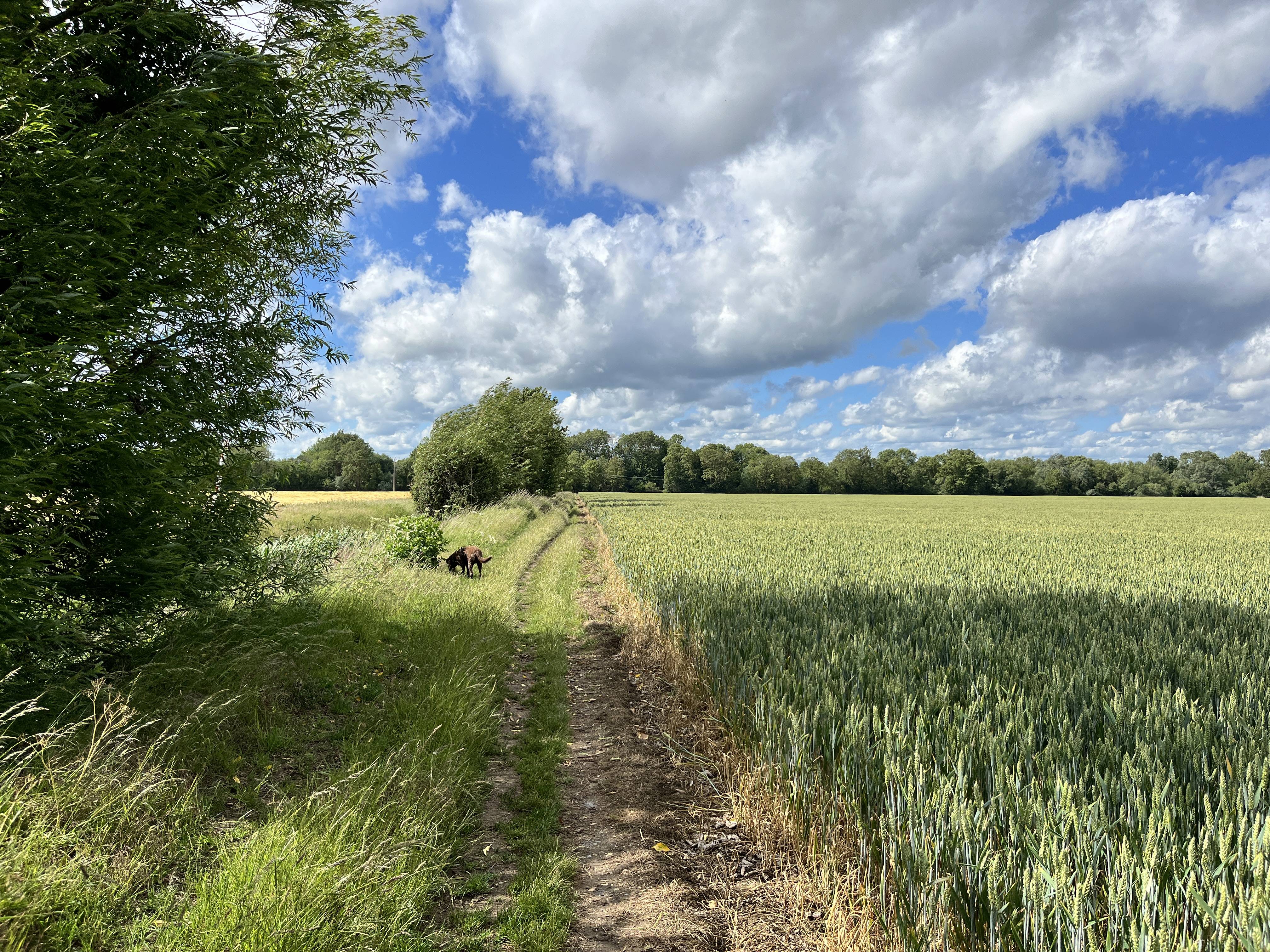
Some of the best ways to experience the Cam Valley’s chalk streams begin at our railway stations. Leave the car behind, take the train into the countryside and follow a walking route beside one of these rare and beautiful waterways.
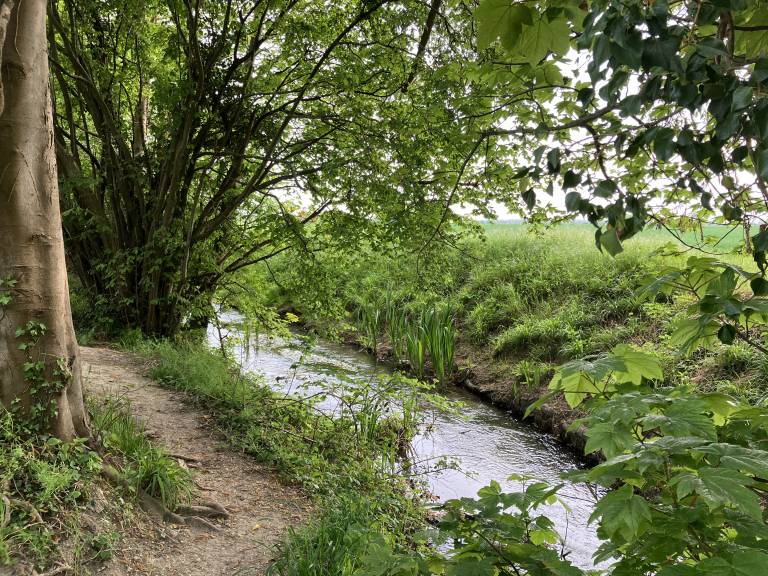
What Makes a Chalk Stream Special?
Chalk streams are rivers that rise from springs in chalk landscapes, where rainwater has slowly filtered through porous chalk rock and been naturally purified. This process produces clear, mineral-rich water that stays at a steady, cool temperature throughout the year. As a result, chalk streams support unique habitats, with clean gravel beds, abundant plant life and ideal conditions for fish and aquatic insects. They are extremely rare globally, found mainly in southern and eastern England.
Chalk Streams in the Cam Valley
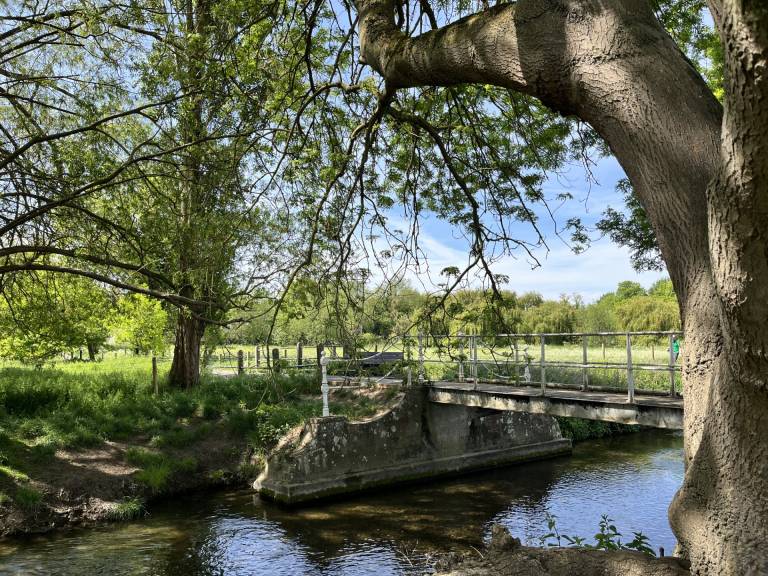
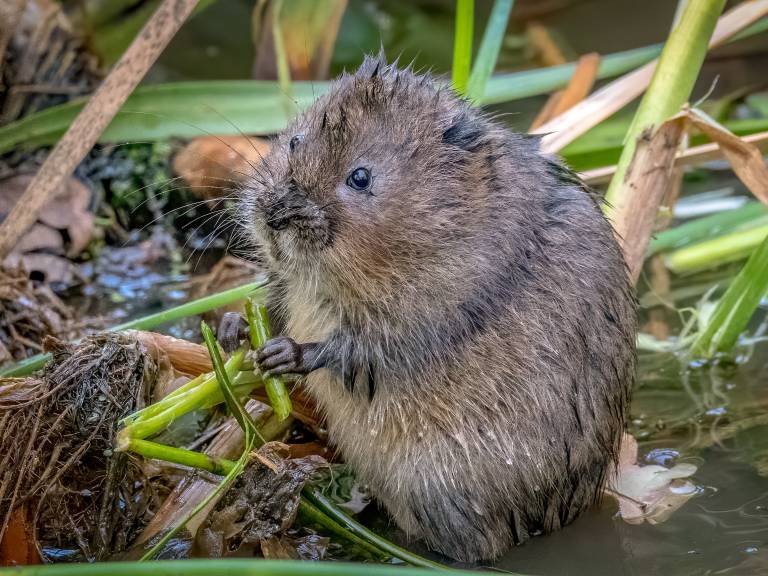
The Cam Valley is shaped by a network of beautiful chalk streams, including the River Cam itself and its key tributaries – the Rivers Rhee, Granta, Mel and Shep, along with smaller brooks such as Bourn Brook. Rising from springs in the surrounding chalk hills, these rivers carry clear, cool water that has been naturally filtered through the landscape over many years. As they flow through villages, farmland and nature reserves, they create a rich mosaic of habitats that support wildlife such as kingfishers, water voles and brown trout. Together, these streams form an interconnected system that is both locally distinctive and part of the globally important family of England’s chalk rivers.
Wildlife and Habitats
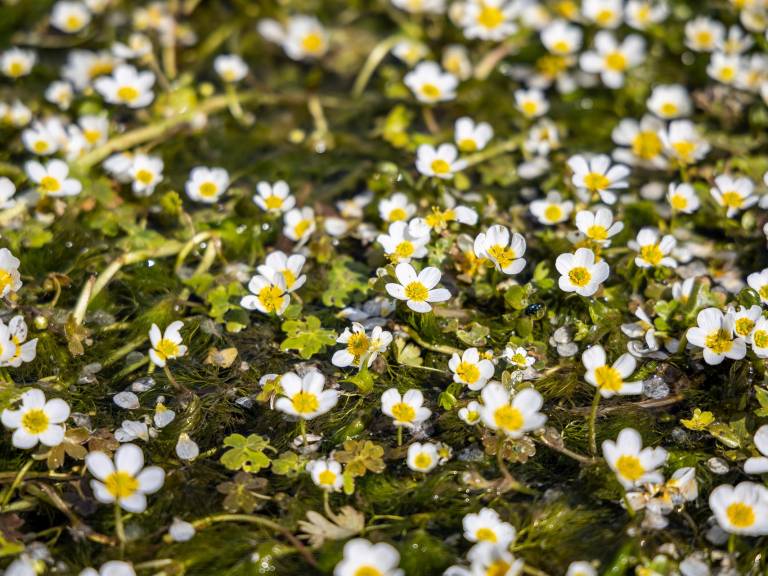
Chalk streams in the Cam Valley support a rich and varied range of wildlife, thanks to their clean, clear water and stable conditions. Under the surface, swaying beds of water crowfoot provide shelter for fish such as brown trout and sticklebacks, while their gravel beds offer ideal spawning grounds. The streams are also home to a wealth of aquatic insects, including mayflies and caddisflies, which in turn attract birds like kingfishers, grey wagtails and herons. Along the banks, lush vegetation and wetland habitats support water voles, dragonflies and amphibians, creating a vibrant and interconnected ecosystem. These habitats change with the seasons, making chalk streams some of the most dynamic and wildlife-rich environments in the Cam Valley.
What can you spot?
- Water crowfoot — look for its delicate white flowers and underwater leaves.
- Brown trout — often found sheltering among the gravel and vegetation.
- Kingfishers — watch for a flash of blue along the water’s edge.
- Water voles — shy inhabitants of the riverbanks.
- Grey wagtails — often seen bobbing along beside fast-flowing water.
Why chalk streams matter
Chalk streams are incredibly important, both locally in the Cam Valley and on a global scale. Their clean, mineral-rich waters support a remarkable diversity of wildlife, many of which rely specifically on these rare conditions to survive. Beyond biodiversity, chalk streams play a vital role in maintaining water quality, naturally filtering and storing water within the landscape and helping to regulate flows during wetter and drier periods. They also contribute to people’s wellbeing, providing peaceful spaces for walking, nature watching and connection with the natural environment. Because most of the world’s chalk streams are found in England, those in the Cam Valley are part of a globally significant natural heritage.
Explore our Chalk Streams by train
The Cam Valley is home to several rare and beautiful chalk streams. These walks offer opportunities to experience these unique habitats first-hand, whether following a river for part of the route or visiting key locations where chalk streams can be viewed and enjoyed.
Shepreth — River Shep
The Shepreth walk has three loops, of which loop 2 follows the River Shep all the way to Barrington. Loop 3 takes you out through the Wimbish Estate returning back alongside the Shep.
Foxton — Hoffer Brook
The second loop of the Foxton walk takes you across Hoffer Brook, one of the tributaries of the River Cam.
Melbourn & Meldreth — River Mel
This walk goes through Melwood, a local nature reserve, following the River Mel all the way to the old Topcliffe Mill.
Shelford — River Cam
This walk includes the Mill and millpond that inspired Tom's Midnight Garden, and once you get to Jenny's path, the walk follows the River Cam for a while before turning back towards Shelford.
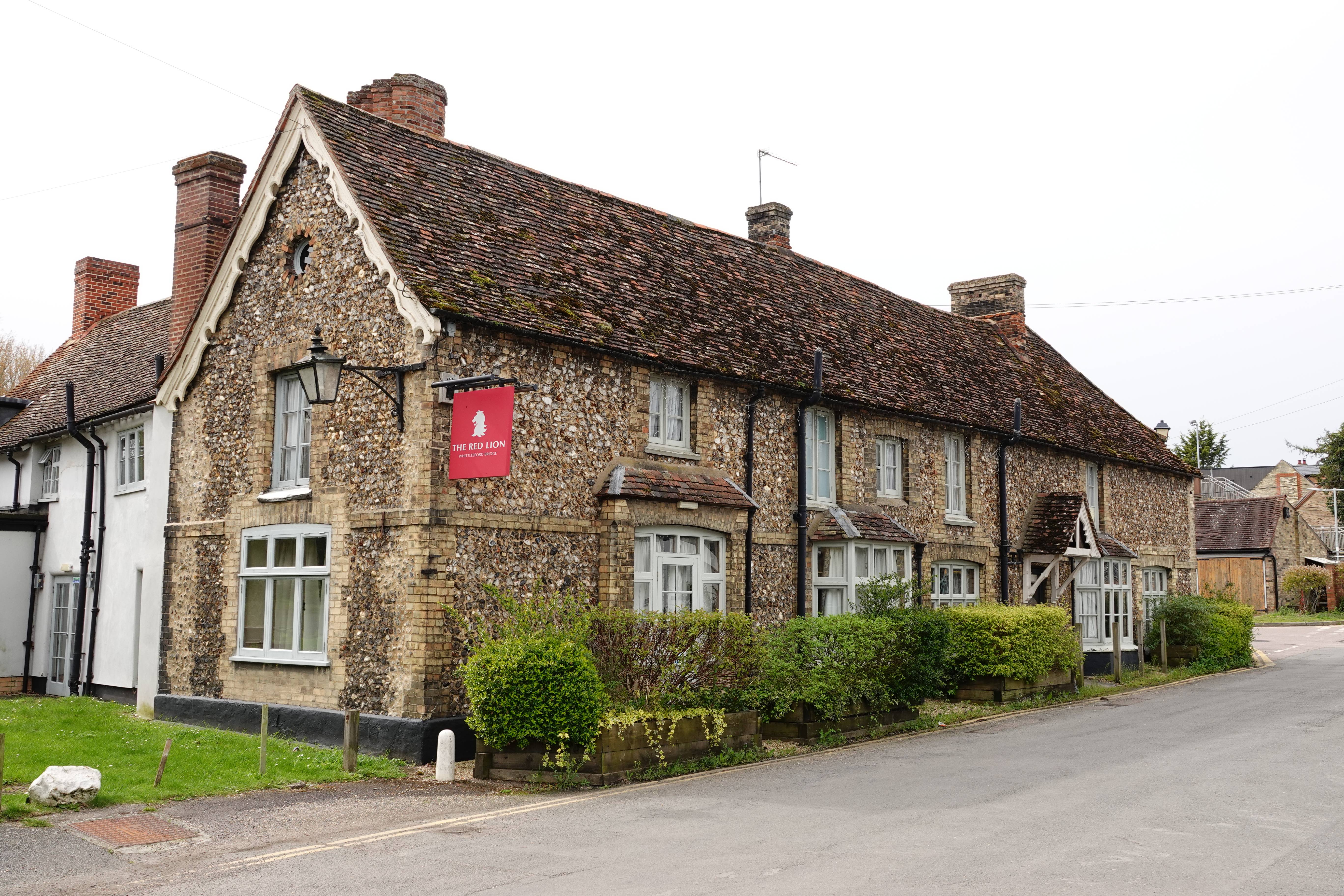
Whittlesford Parkway — River Cam
This walk includes a path that goes out to the River Cam water meadows and a picturesque iron bridge.
Why these rivers need our help
These rivers are beautiful, but they are not invulnerable.
Despite their beauty and importance, chalk streams in the Cam Valley face a range of pressures, including water abstraction, pollution from agriculture and wastewater, and the impacts of climate change, all of which can reduce flows and damage delicate habitats. Historic channel modifications and development have also altered some stretches, affecting their natural function. However, across the Cam Valley, volunteers, community groups and environmental organisations are working to give these rivers a healthier future with growing local action to protect and restore these precious rivers. Community-led initiatives such as FORSHEP (Friends of the River Shep) and the River Mel Restoration Project are helping to improve habitats, enhance flows and reconnect people with their local streams. Alongside these, organisations like the Cam Valley Forum and initiatives like the Cam Catchment Partnership are supporting efforts to restore natural river processes and promote more sustainable water use. Together, these projects are helping to safeguard the future of the Cam Valley’s chalk streams and ensure they continue to thrive for wildlife and communities alike.
Links to organisations championing chalk streams
FORSHEP (Friends of the River Shep)
A voluntary group improving the river for all villagers and visitors to enjoy.
River Mel Restoration Group
A community volunteer group in Melbourn and Meldreth who have regular working parties and habitat enhancement initiatives.
Cam Valley Forum
A voluntary campaigning group who identify, monitor and tackle problems facing the river Cam and its tributaries.
Cam Upper Reaches Action Team (Curat)
A volunteer group campaigning against the decline of the river where it flows through north Essex into Cambridgeshire.
Greater Cambridge Chalk Stream Project
A collaborative, evidence-based initiative focused on restoring and conserving the region's chalk streams through scientific research, innovative technologies, community engagement, and long-term monitoring to address pollution, habitat degradation, and water management challenges.
Cam Catchment Partnership
A civil society-led initiative working towards better ecological outcomes for water in the Cam catchment, which includes the River Cam and its tributaries.
The Waterlight Project
A project celebrating the history and beauty of the Mel.
Hobson's Conduit Trust
Responsible for the upkeep of Hobson's Brook, the historic watercourse that brought fresh water to Cambridge from the Nine Wells Springs.
Big Chalk
Big Chalk brings together partners across southern England to protect and restore chalk and limestone landscapes, including the region’s internationally important chalk streams.
RiverCare
Empowers local volunteer groups to care for chalk streams and other waterways through practical conservation, environmental monitoring, and community action. Check their website for volunteering opportunities.