
Cam Valley Logo
Accessibility

A

A+

  • Home
  • Explore the line
  • Discover The Cam Valley
    • Five children cycling through Barrington
      Cycling Routes
    • Photograph of a walking path between a chalk stream on the left and a crop field on the right
      Walking Routes
    • Photograph of the Red Lion Inn in Whittlesford
      Accommodation
    • Photograph of a person playing a semi-acoustic guitar
      Culture
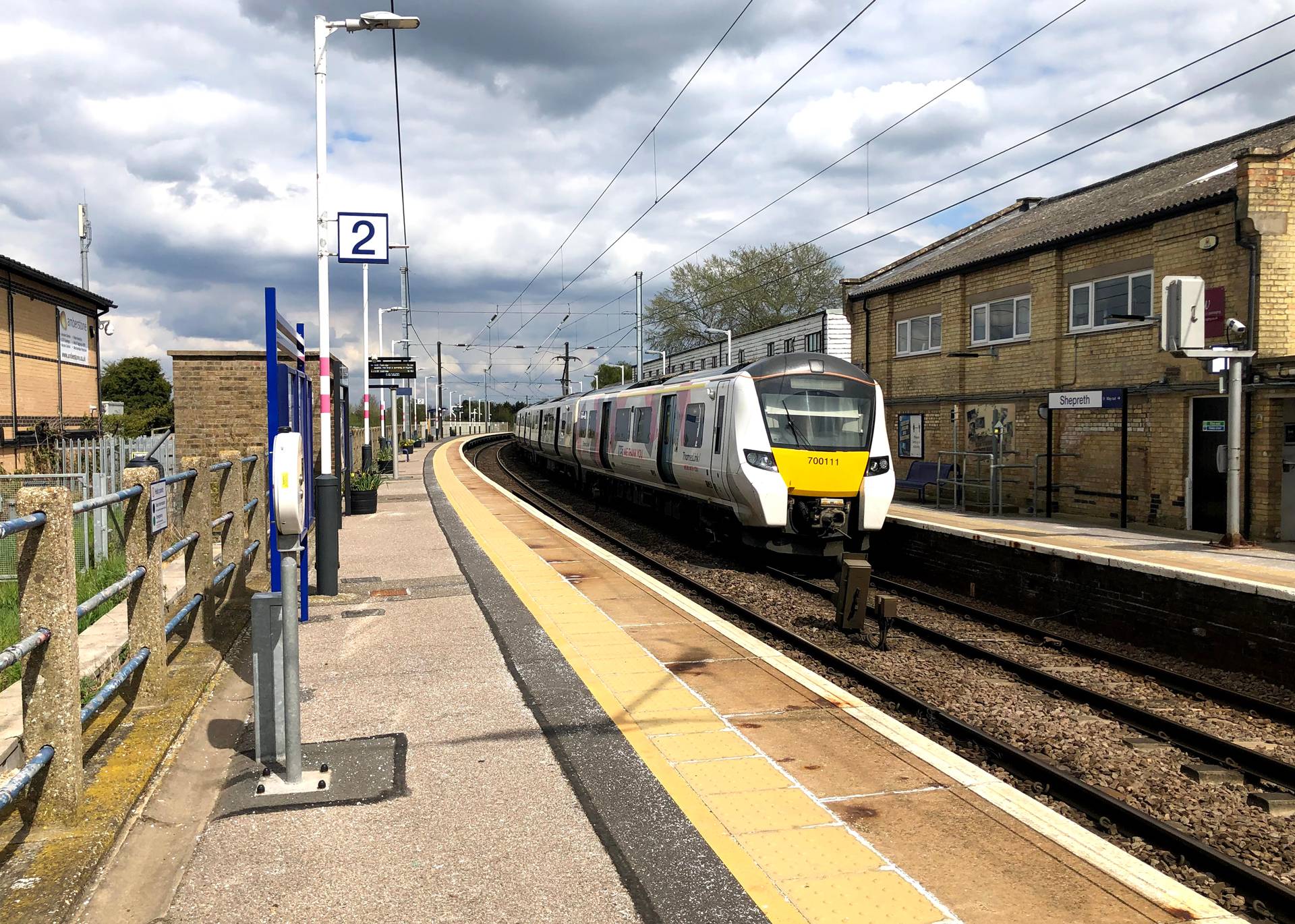
    • A Thameslink train at Shepreth station
      Days Out
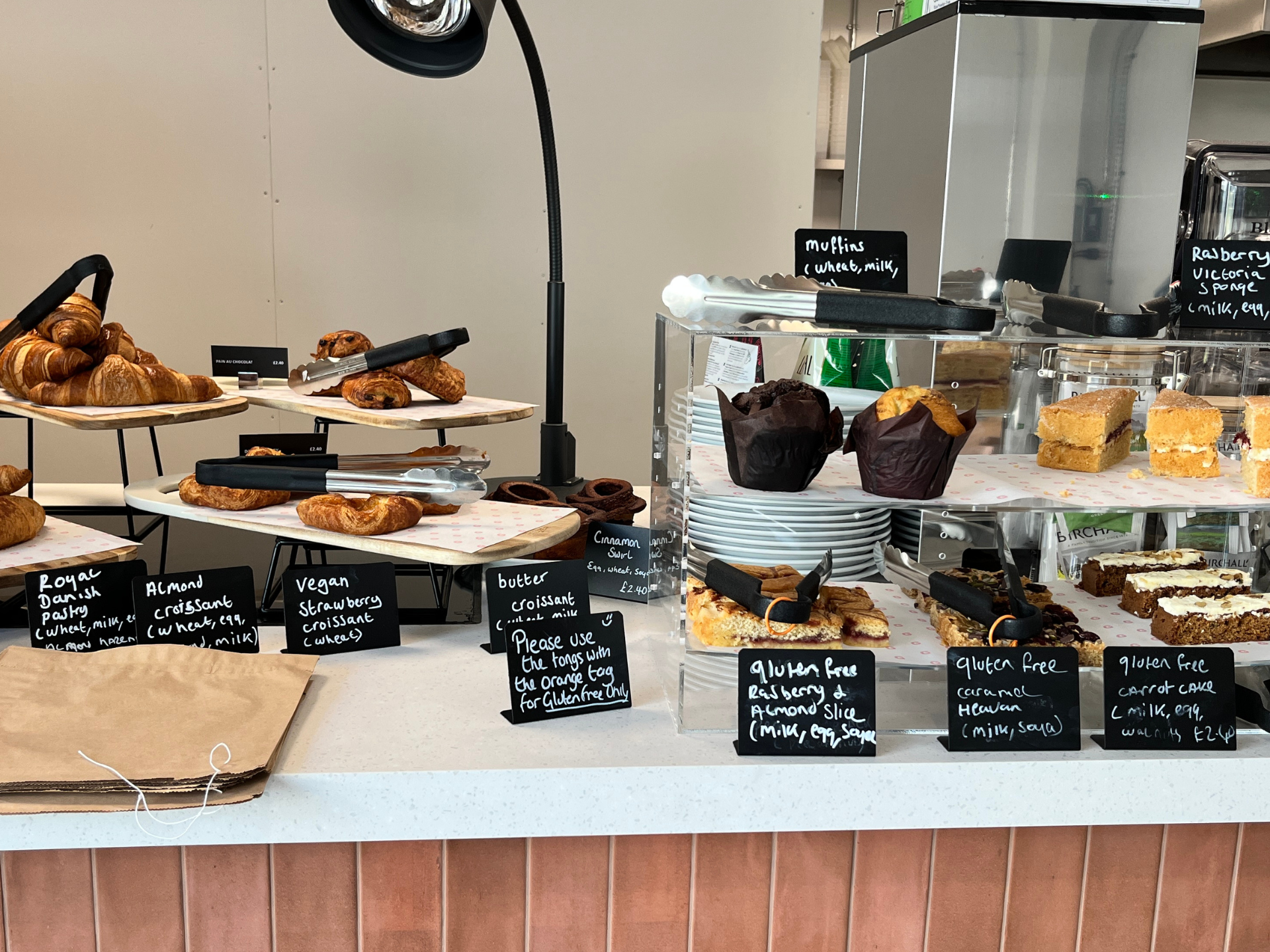
    • A counter showing cakes for sale. Some are vegan and some gluten free.
      Food and Drink
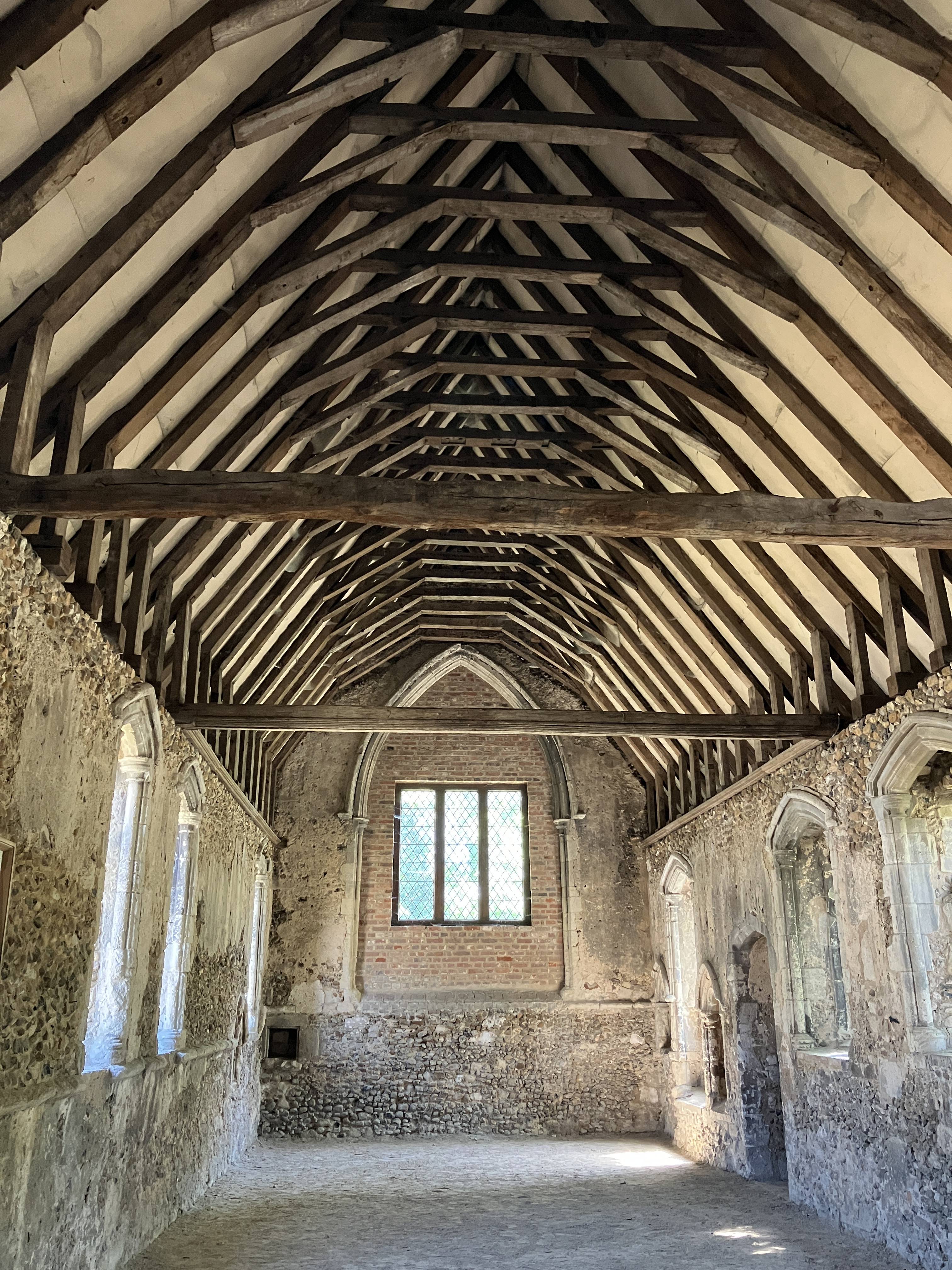
    • Photograph of the inside of Duxford Chapel showing the roof beams
      Heritage
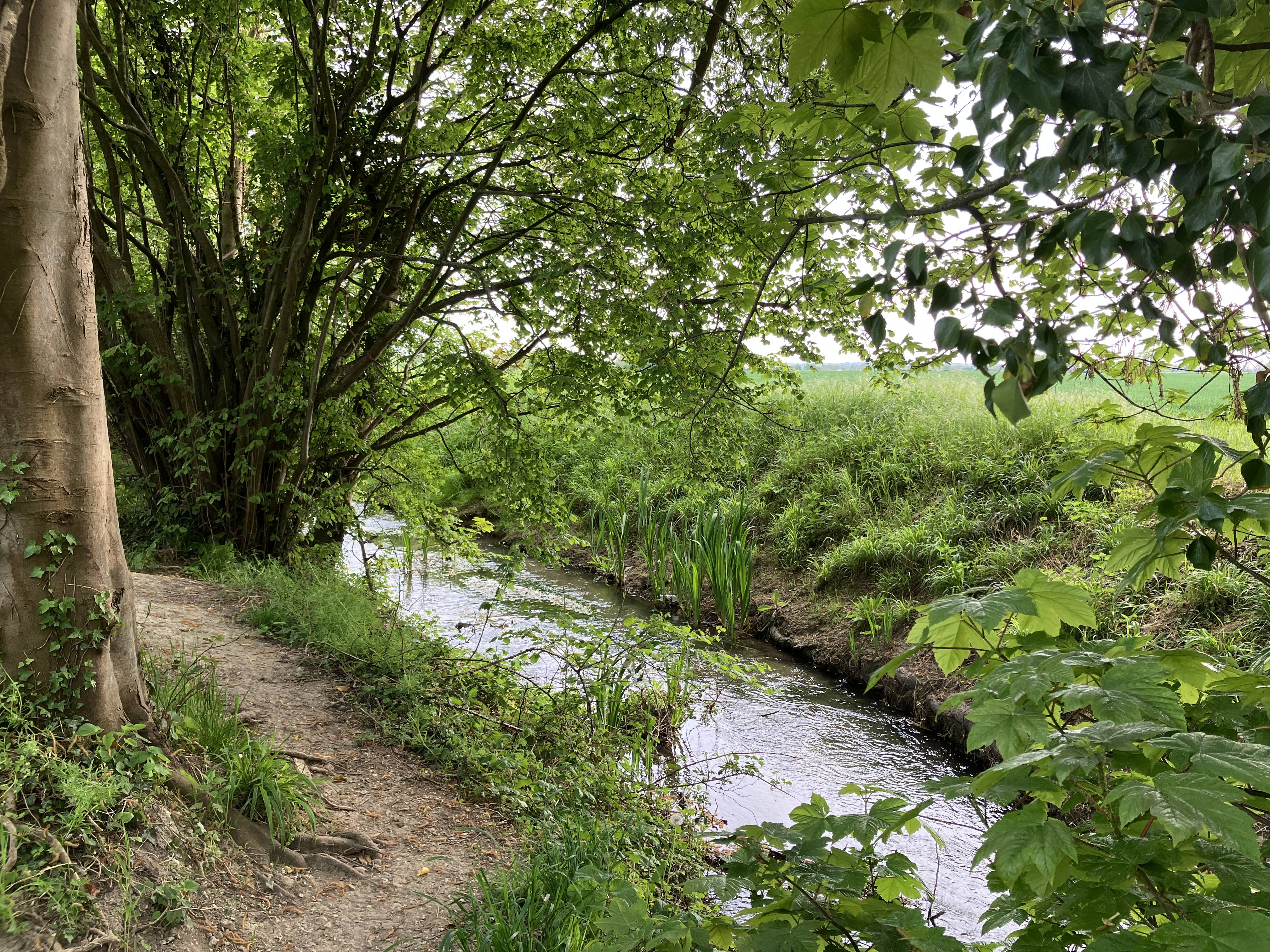
    • Photograph of a chalk stream, there is a walking path to the left
      Nature
  • Travel Information
    • Fares & Discounts
    • Station Accessibility
    • Sustainable Travel Campaigns
  • News
  • About
    • About the Cam Valley CRP
    • Community Projects
    • Annual Reports & Publications
    • FAQ & Contact
  • Home
  • Watermills in the Cam Valley

Watermills in the Cam Valley

Watermills are a defining feature of the Cam Valley

The area’s gentle rivers, such as the River Cam and its tributaries, provided a reliable source of flowing water to power machinery long before industrialisation. From at least the medieval period (and often much earlier), watermills were built at key points along these waterways to grind grain for local communities, making them essential to rural life and manorial economies. Many villages in South Cambridgeshire had one or even several mills recorded as early as the Domesday Book (1086), and most of the surviving buildings date from the 17th to 19th centuries, when earlier structures were rebuilt or improved.

Although each mill has its own history, they often look quite similar. This is because they were constructed using the same local materials and techniques, typically timber frames, weatherboarding, and tiled roofs, adapted to sit alongside a mill stream or leat. Function dictated form: mills needed space for machinery, waterwheels, and grain storage, leading to their characteristic tall, narrow shapes and riverside settings. Over time, as milling declined, many were converted into houses, inns or restaurants, but their shared origins are still visible in their consistent scale, materials, and relationship to the water that once powered them.

Discover Watermills in the Cam Valley

Step off the train and discover a landscape shaped by water. Along the Cam Valley line, a chain of historic watermills tells the story of how villages grew beside rivers, harnessing their steady flow to grind grain and power local industry.
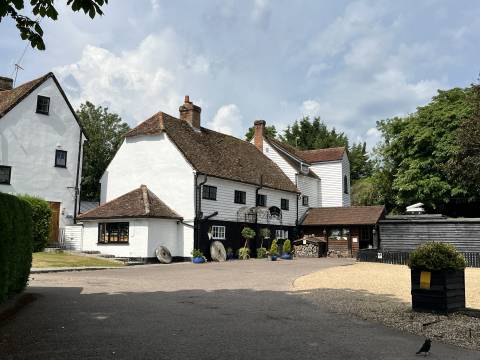
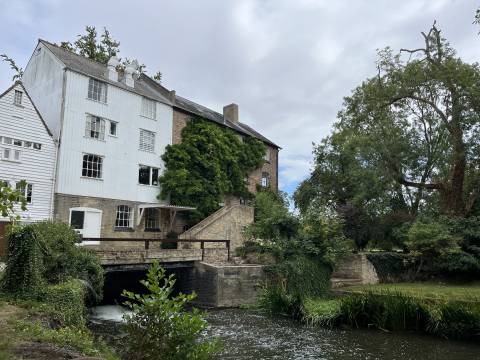
Photograph of Sheene Mill

Sheene Mill, Station Road, Meldreth (Meldreth Station)

Now a well-known hotel, wedding venue, and restaurant

Read more
Image of King's Mill in Shelford

King's Mill, Kings Mill Lane, Great Shelford (Shelford Station)

Now a private house

Read more
Photograph of Topcliffe Mill in Meldreth.

Topcliffe Mill, North End, Meldreth (Meldreth Station)

Now a private house but usually open during National Mills Weekend, the second weekend in May

Read more
Photograph of Shepreth Mill

Shepreth Mill, Fowlmere Road, Shepreth (Shepreth Station)

Now a private house

Read more
Cam Valley CRP logo
Community Rail Accredited Partnership logo on a white background
Community Rail Network Member logo on a white background

Our Partners

  • CrossCountry logo
  • Great Northern logo
  • Thameslink logo
  • Greater Anglia Logo
  • South Cambs District Council logo
  • Scenic Rail Britain logo
  • Visit South Cambs logo

©2026 CAM Valley Community Rail Partnership | Privacy Policy | Cookie Policy | Accessibility | Manage Consent

Website by Tessellate

We use information collected through cookies and similar technologies to improve your experience on our site and analyse how you use it.

Privacy Policy

Your privacy settings

We and our partners use information collected through cookies and similar technologies to improve your experience on our site, analyse how you use it and for marketing purposes. Because we respect your right to privacy, you can choose not to allow some types of cookies. However, blocking some types of cookies may impact your experience of the site and the services we are able to offer. In some cases, data obtained from cookies is shared with third parties for analytics or marketing reasons. You can exercise your right to opt-out of that sharing at any time by disabling cookies.

Privacy Policy

Manage Consent Preferences

Necessary

Always ON

These cookies and scripts are necessary for the website to function and cannot be switched off. They are usually only set in response to actions made by you which amount to a request for services, such as setting your privacy preferences, logging in or filling in forms. You can set your browser to block or alert you about these cookies, but some parts of the site will not then work. These cookies do not store any personally identifiable information.

Analytics

These cookies and scripts allow us to count visits and traffic sources, so we can measure and improve the performance of our site. They help us know which pages are the most and least popular and see how visitors move around the site. All information these cookies collect is aggregated and therefore anonymous. If you do not allow these cookies and scripts, we will not know when you have visited our site.