
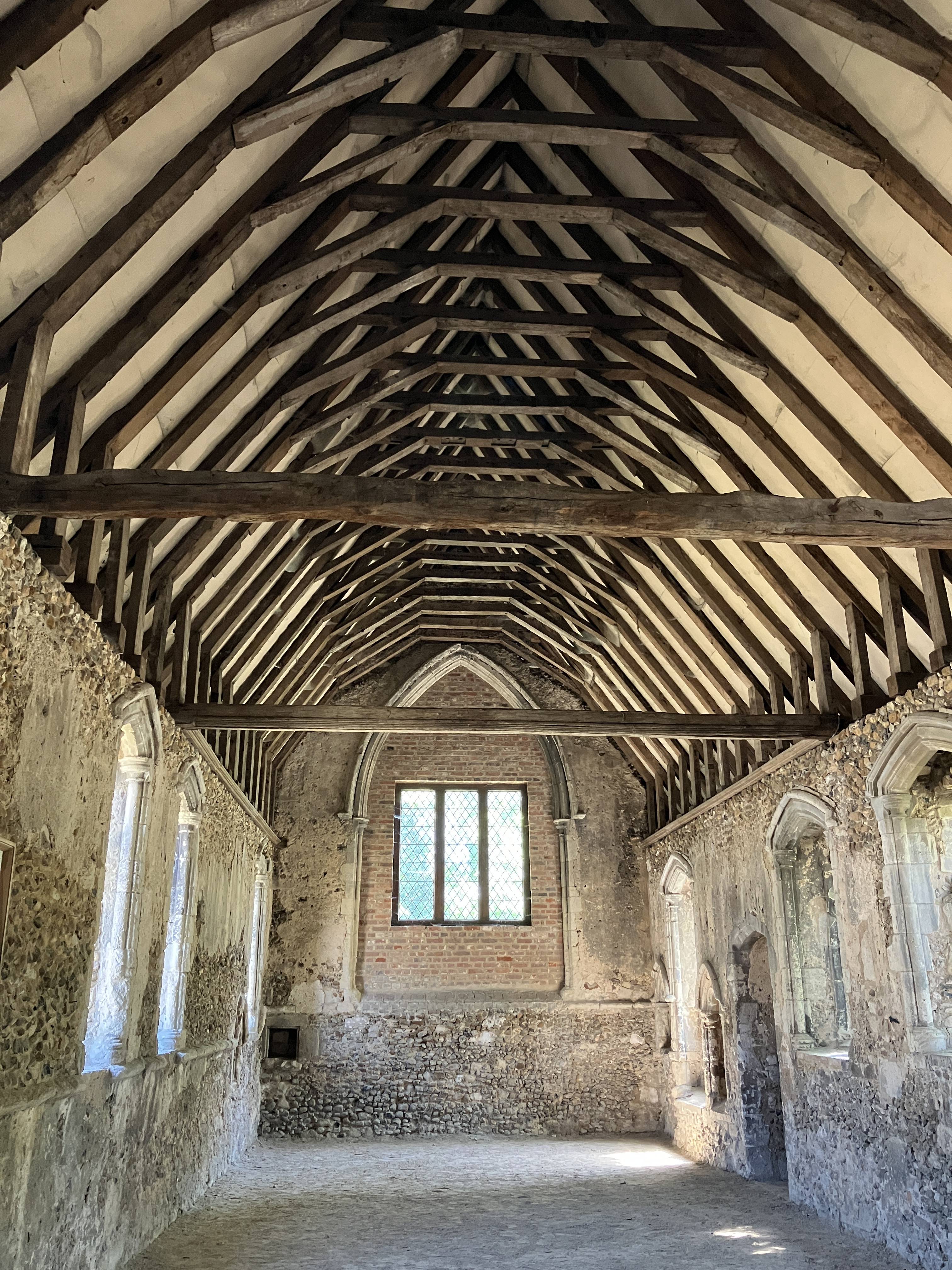
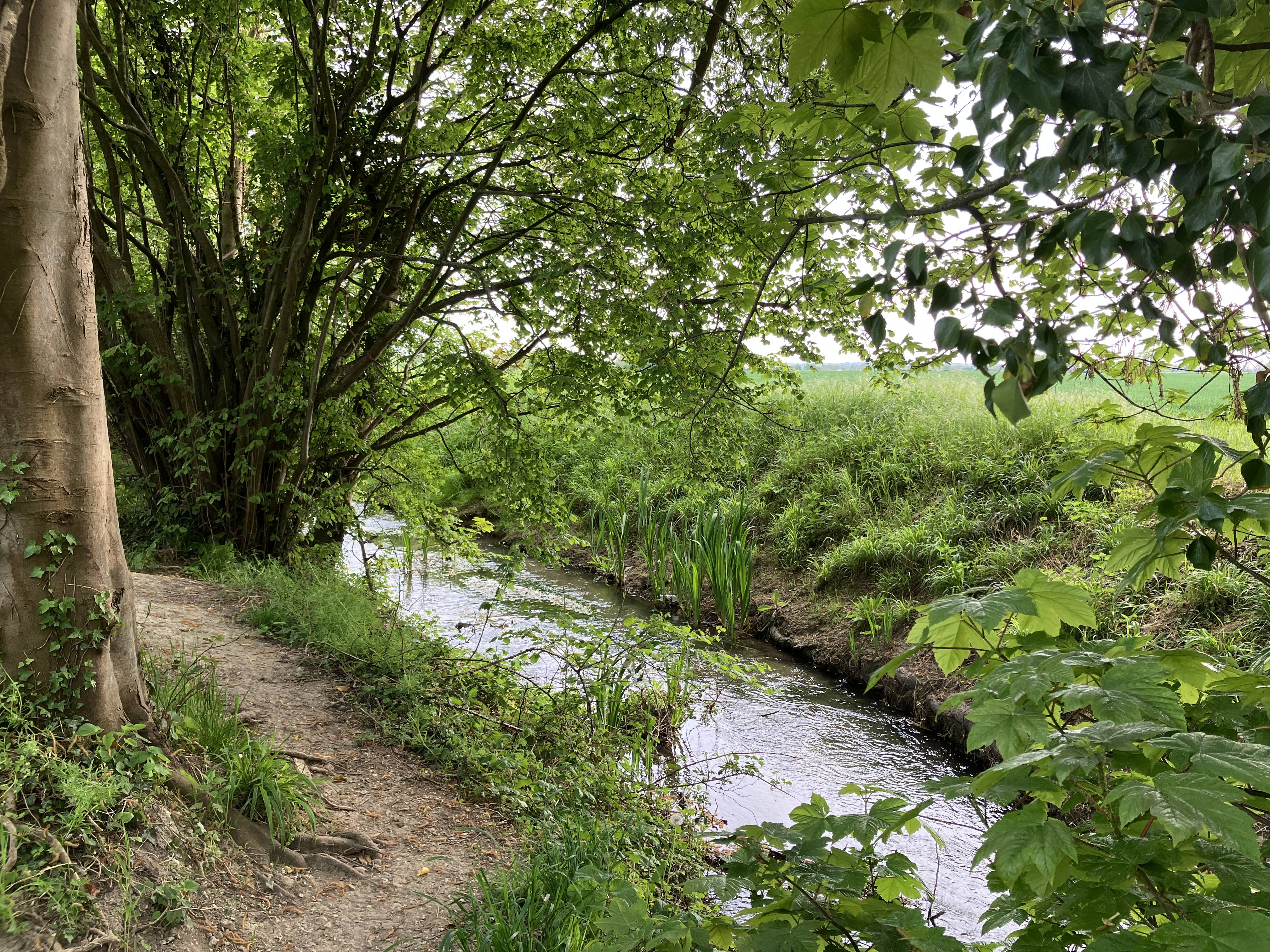
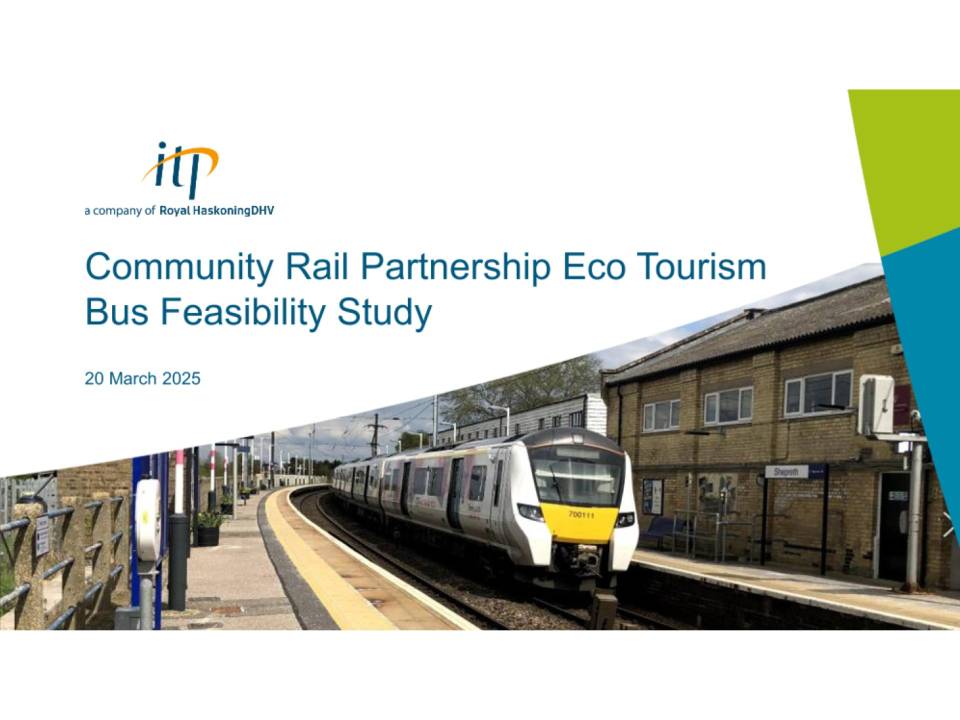
We commissioned a feasibility study to explore an eco-tourism bus service in South Cambridgeshire, aiming to connect train stations with key attractions, promote sustainable travel and boost the local economy.
Imagine stepping off the train and straight onto a small, welcoming eco-bus, ready to explore Wimpole Estate, IWM Duxford, or Shepreth Wildlife Park. This idea was explored through a feasibility study into a sustainable tourism bus service for South Cambridgeshire.
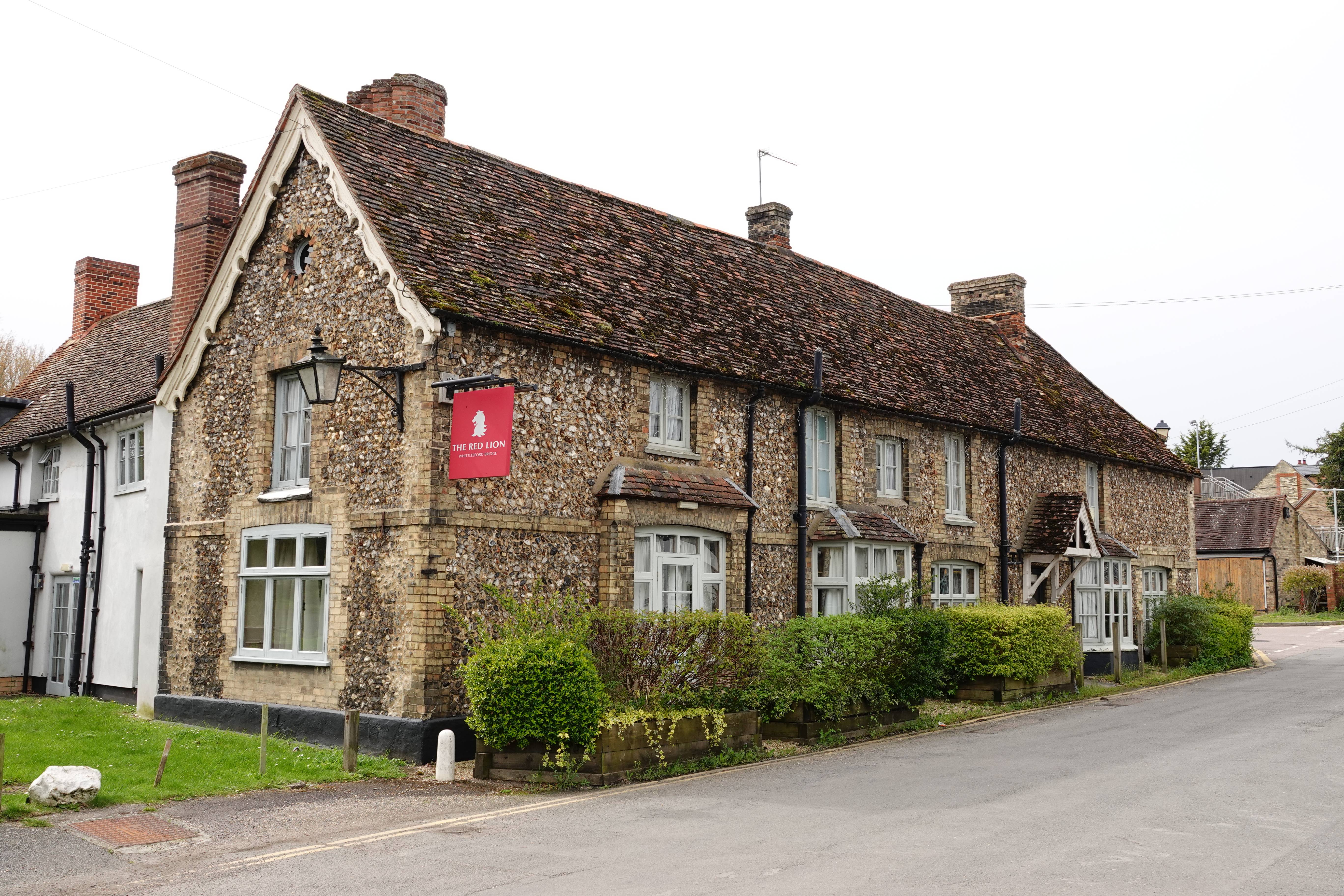
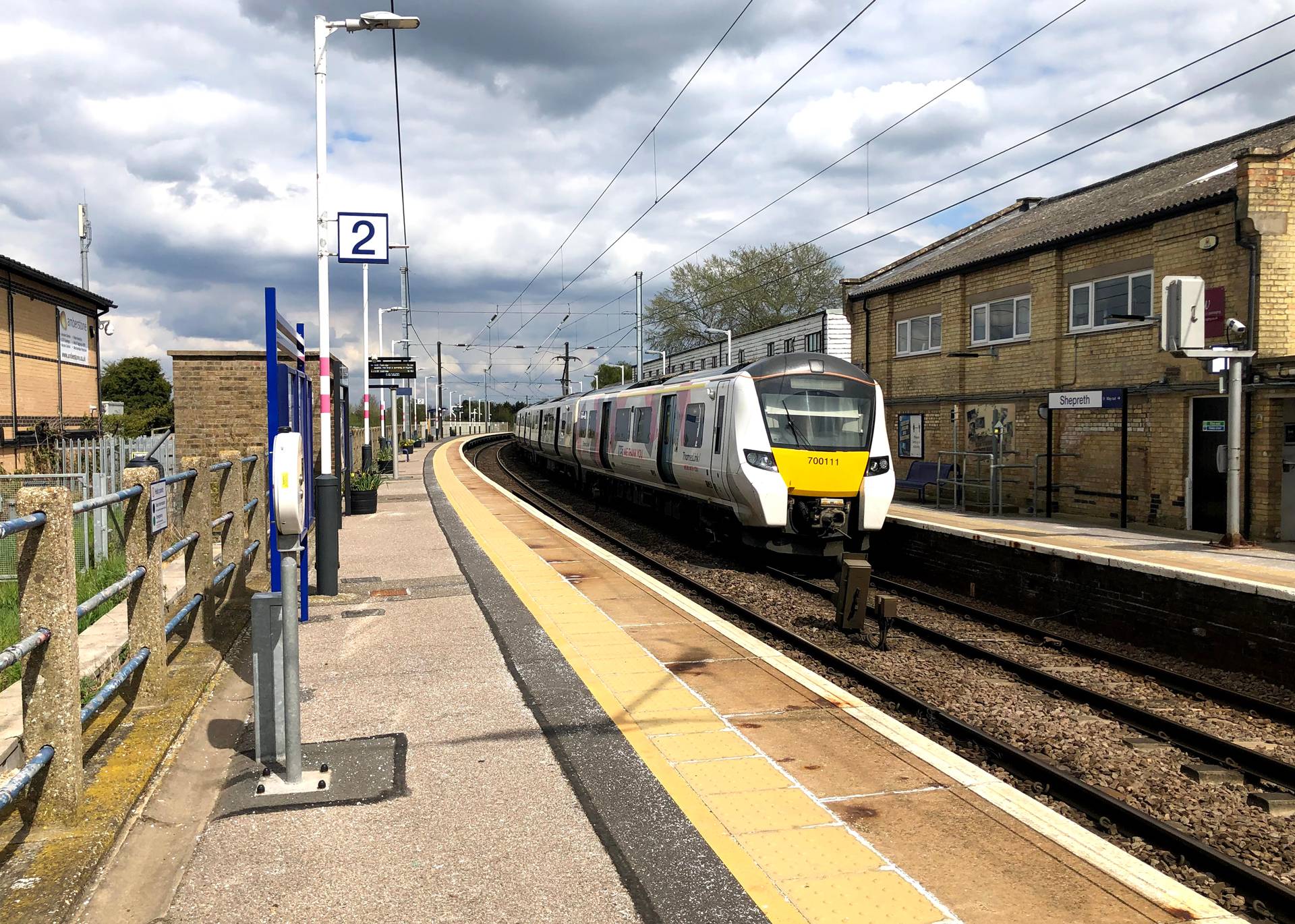
Led by the Meldreth, Shepreth and Foxton Community Rail Partnership, the project looks at how better links between local stations, particularly Shepreth and Whittlesford Parkway, and nearby attractions could make it easier for people to travel by rail. The study, carried out by ITP, considers how an eco-tourism bus could improve access while supporting more sustainable journeys and the local visitor economy.
The area already attracts significant numbers of visitors each year—around 360,000 to Wimpole Estate, over 380,000 to IWM Duxford, and approximately 100,000 to Shepreth Wildlife Park. However, the vast majority currently arrive by car, particularly at Wimpole and Duxford, highlighting a clear gap in public transport options.
While Shepreth Wildlife Park benefits from being close to the station, the other attractions are much harder to reach without a car. A dedicated shuttle service could offer a practical alternative for visitors arriving by train from Cambridge or London.
Discussions with transport operators showed interest, but also confirmed the challenges of running a conventional bus service in a rural area. A seasonal pilot shuttle, potentially using electric minibuses, emerged as a more realistic option.
The study also looked at local travel patterns, station usage and accessibility, noting the contrast between the busy Whittlesford Parkway and quieter Shepreth station, as well as the need to improve access for all passengers.
For the service to succeed, clear and simple marketing will be key, particularly around joined-up tickets and the ease of making the whole journey by public transport. While there are challenges to overcome, the study shows real potential for a small-scale, well-designed service to make sustainable travel a more attractive choice and better connect people with these much-loved local destinations.